
Bengal Kittens For Sale
The Bengal cat is a unique and mesmerizing breed, immediately recognizable by its wild, leopard-like appearance and its energetic, affectionate temperament. Originating as a hybrid of the Asian Leopard Cat (Prionailurus bengalensis) and domestic felines like the Egyptian Mau and Abyssinian, the modern Bengal has been carefully bred over generations to retain its stunning exotic looks while possessing the gentle, loving nature of a domestic pet. They are famous for their rosette markings, muscular build, and a distinctive "glitter" that makes their coats shimmer in the light. Bengals are not just beautiful; they are incredibly intelligent, active, and interactive companions that thrive on play, mental stimulation, and close bonds with their human families.
History & Origin
The history of the Bengal cat began in the mid-20th century, notably through the work of geneticist Jean Mill in California. In 1963, she successfully crossed an Asian Leopard Cat with a domestic black shorthair, producing hybrid offspring. The goal was to create a breed that combined the exotic spotting of the wild cat with the temperament of a domestic cat to discourage the exploitation of wild cats for the fur trade. Over the next few decades, dedicated breeding programs refined the breed, selecting for friendly behavior and stunning patterns. The International Cat Association (TICA) officially recognized the Bengal as a championship breed in 1991. Today, only Bengals that are at least four generations removed (F4) from the wild ancestor are considered domestic pets and eligible for registration and sale.
Personality & Behavior
Bengals are highly energetic, curious, and playful cats. They are not the typical sleepy lap cats; instead, they are alert, confident, and constantly exploring. They are highly intelligent, easily learning tricks, playing fetch, and even walking on a harness and leash. Bengals have a strong affinity for water, a trait inherited from their wild ancestors. They will happily play with running faucets, splash in water bowls, and sometimes join their owners in the shower. They are vocal cats, using a wide range of chirps, meows, and purrs to communicate their needs. They form deep, loyal attachments to their families and get along well with dogs and older children who can match their playful energy.
Physical Appearance
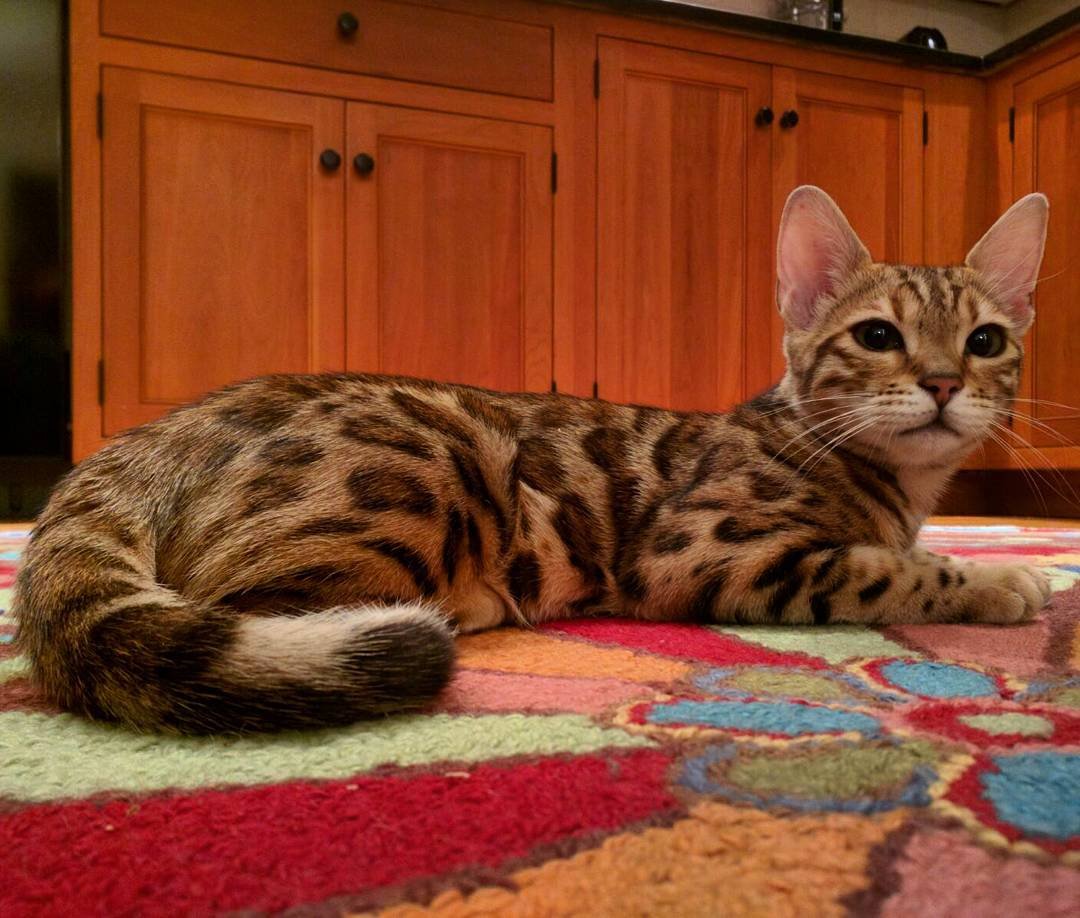
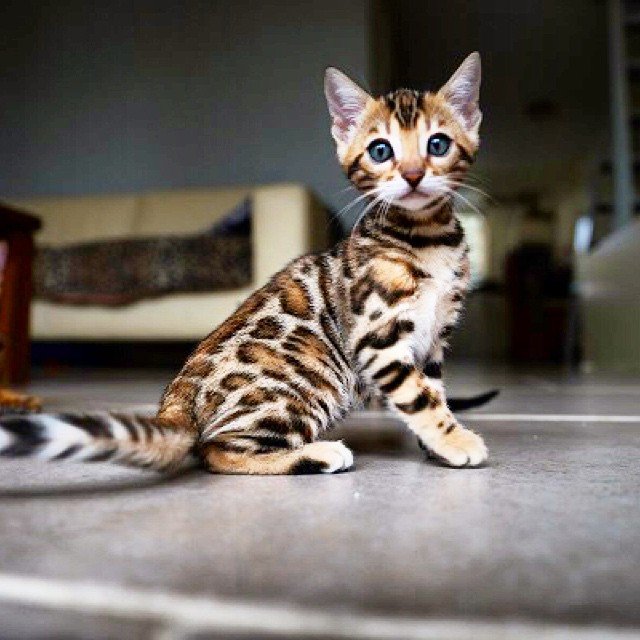
The appearance of a Bengal cat is truly striking. They possess a long, muscular, and athletic body with heavy bones. Their head is a broad modified wedge, slightly longer than it is wide, with rounded contours and expressive, large oval eyes that range from gold and green to blue in snow varieties. The ears are relatively small, set wide apart, and rounded at the tips. The tail is medium-long, thick, and tapers to a black tip. The coat is short, dense, and incredibly soft, feeling like luxurious silk or velvet. Bengals are the only domestic breed with a coat that can exhibit "glitter"—a microscopic structural feature of the hair shafts that reflects light, giving the coat an iridescent, shimmering quality.
Colors and Patterns: Bengal coats come in two main patterns: spotted/rosetted and marbled. The spotted pattern features distinct, dark spots that can form beautiful "rosettes" (spots with a lighter center and a darker outline, resembling a wild leopard or jaguar). The marbled pattern consists of swirling, horizontal bands of color that flow across the body. The most common colors are Brown (ranging from golden-yellow to rich mahogany with dark brown or black markings), Silver (a cool grey-white background with dark charcoal markings), and Snow (white to cream background with light brown or grey markings, associated with seal lynx point, seal mink, or seal sepia genes). Regardless of the color, high contrast between the background coat and the markings is highly prized.
Size & Maturation
Bengals are medium to large cats. Adult males typically weigh between 5.5 kg and 8 kg, while adult females are slightly smaller, usually weighing between 3.5 kg and 5.5 kg. They have long, strong legs, with the hind legs being slightly longer than the front legs, giving them an athletic posture and exceptional jumping ability. They are slow to mature, reaching their full size and muscular development around two years of age.
Health & Genetic Conditions
Bengals are generally robust and healthy cats, but like all breeds, they are prone to certain genetic conditions. Reputable breeders screen their breeding cats to minimize these risks. Key health concerns include Hypertrophic Cardiomyopathy (HCM), a genetic heart disease where the heart muscle becomes abnormally thick; Progressive Retinal Atrophy (PRA-b), an inherited eye disorder that leads to blindness; and Pyruvate Kinase Deficiency (PK-def), a genetic red blood cell disorder that causes anemia. Other potential conditions include Patellar Luxation (floating kneecaps) and Hip Dysplasia. With proper veterinary care, routine vaccinations, and a high-quality, protein-rich diet, a Bengal cat has a life expectancy of 12 to 16 years.
Exercise & Play Requirements
Because of their high energy levels and intelligence, Bengals require a significant amount of exercise and mental stimulation. They need vertical space to climb and jump; tall cat trees, wall-mounted shelves, and scratching posts are essential. Interactive toys, puzzle feeders, and daily play sessions with feather wands or laser pointers help keep them occupied. Many Bengals love running on cat exercise wheels, which is an excellent way for them to burn off excess energy. They can also be trained to walk on a leash, allowing them to safely explore the outdoors. Without adequate physical and mental outlets, Bengals can become bored and exhibit destructive behaviors like scratching furniture or opening cupboards.
Household & Family Suitability
Bengals are best suited for active households where they will receive plenty of attention, interaction, and play. They are not recommended for people who work long hours away from home unless they have another high-energy pet (like another Bengal or a friendly dog) to keep them company. They are excellent for families with active children, as they love playing games. Because of their strong prey drive, they should be supervised around small pets like rodents, birds, or fish. They are ideal for owners who want an engaging, dog-like cat that will participate in family activities and provide endless entertainment.
Why Adopt Our Bengal Kittens?
At Kitten Kingdom SA, our Bengal breeding program focuses on health, temperament, and exceptional wild beauty. All of our breeding cats undergo rigorous genetic screening (HCM, PRA-b, PK-def) to ensure our kittens are healthy and free from hereditary disorders. Our kittens are raised in a warm, loving home environment and are socialized from birth to ensure they grow into confident, friendly, and well-adjusted pets. They are vet-checked, fully vaccinated, microchipped, and registered with leading feline associations (such as SACC or CASA). When you adopt a Bengal from us, you receive a health guarantee, registration papers, a kitten starter pack, and lifetime advice and support from a registered breeder.
Bengal Breeding FAQ
Bengal Traits
Available Bengal Kittens
Available
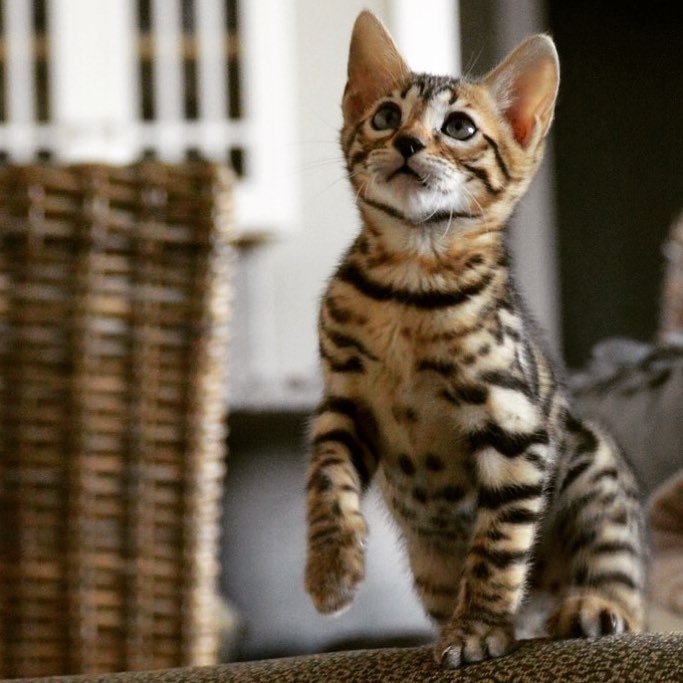
Cali
Female • Fully Vaccinated, De-wormed, Vet Checked, Microchipped
 Available
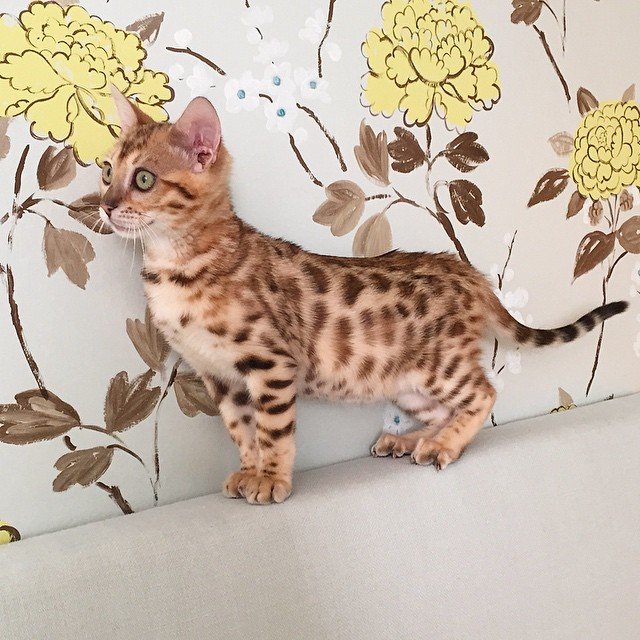
Kai
Male • Fully Vaccinated, De-wormed, Vet Checked, Microchipped
 Available
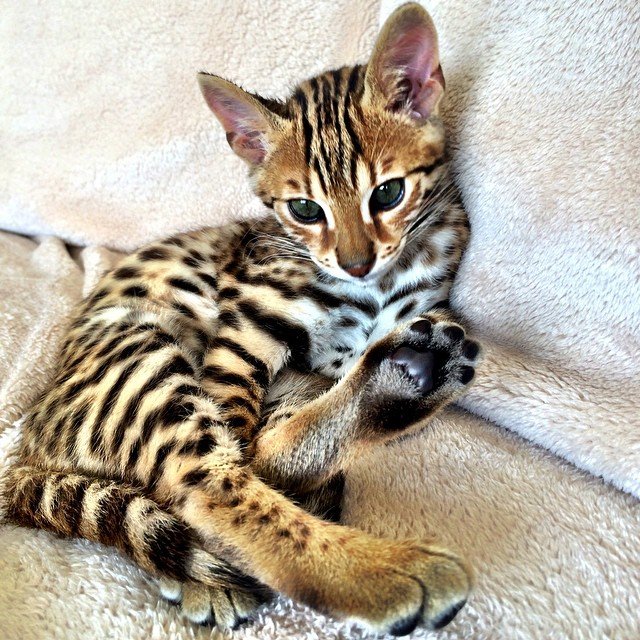
Leo
Male • Fully Vaccinated, De-wormed, Vet Checked, Microchipped
 Reserved
Lino
Male • Fully Vaccinated, De-wormed, Vet Checked, Microchipped
 Available
Mika
Female • Fully Vaccinated, De-wormed, Vet Checked, Microchipped